Fitting
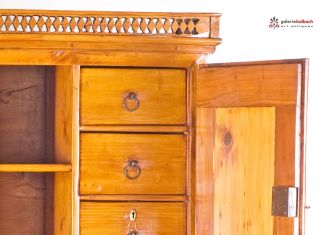
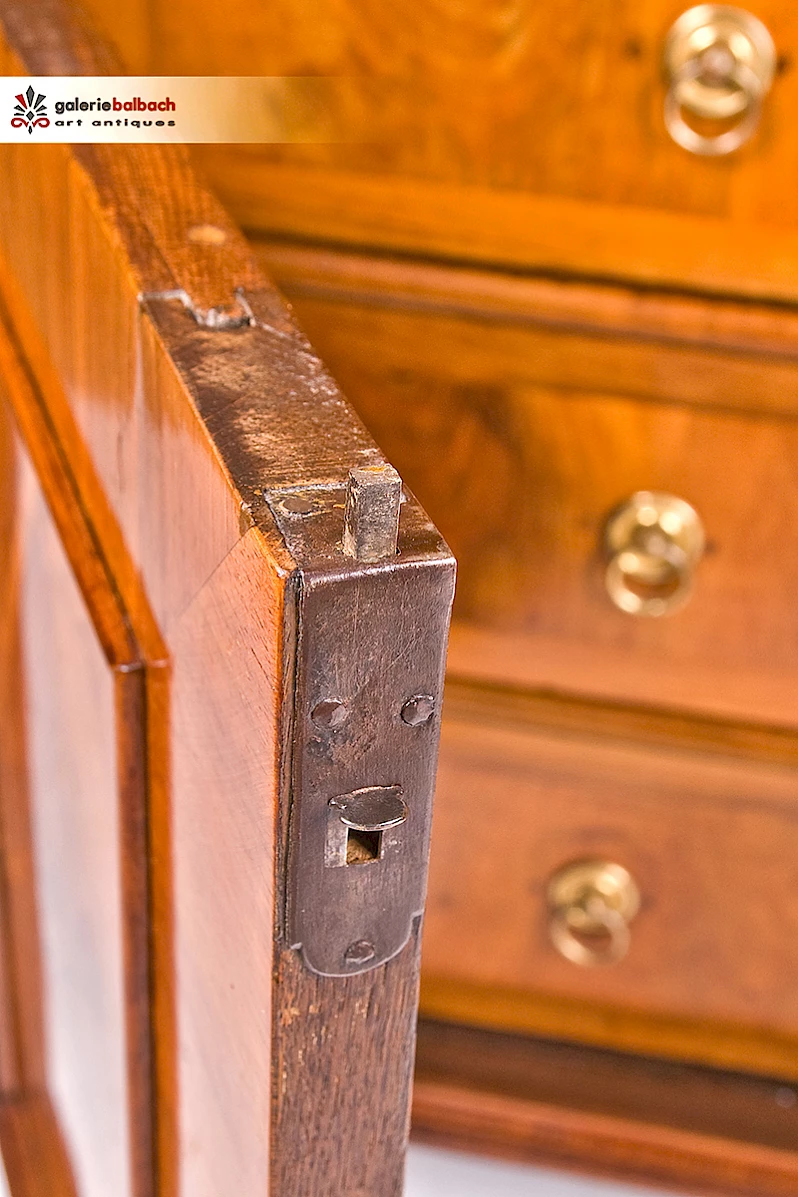
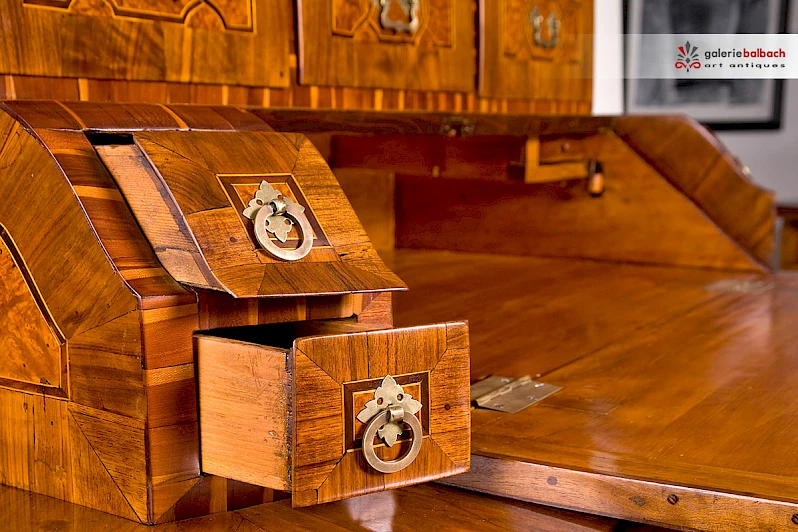
Purpose-bound or constructive fittings usually refer to metallic elements that serve the functionality of the furniture. These include, for example, door hangers, locking bolts or door handles.
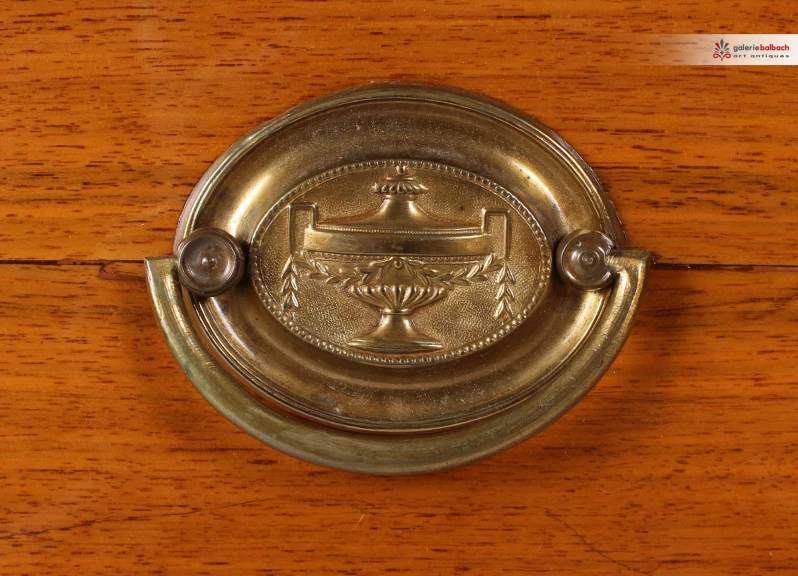
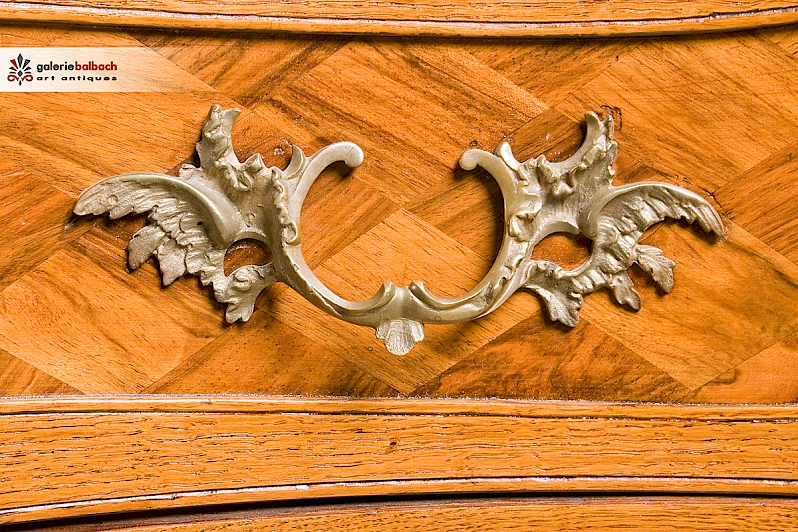
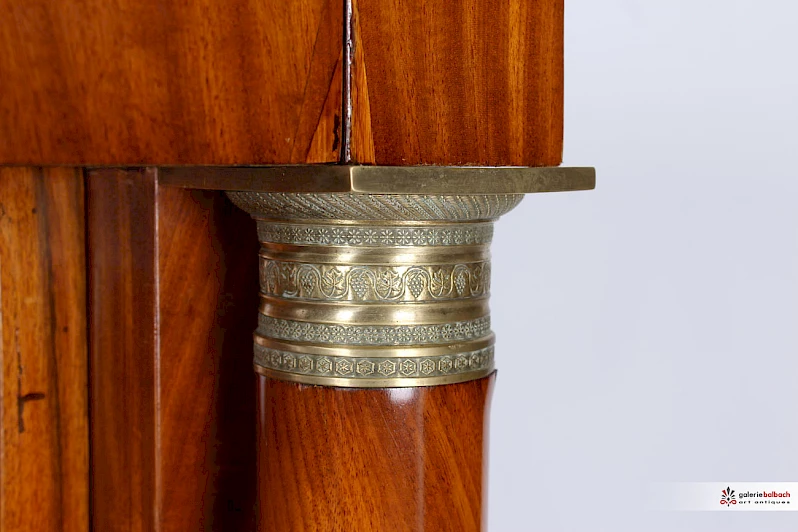
Decorative fittings, on the other hand, contribute significantly to the design of a piece of furniture.
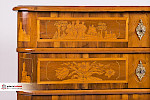
Especially in Baroque and Rococo furniture, decorative fittings play such an important role that the fitting maker became a profession in its own right, organised in guilds. Cast in bronze, finely chased and fire-gilded, the fittings decorated furniture edges and feet and served as keyhole surrounds. There were brass galleries and elaborately designed applications. Fittings of this decorative type are also called "ornamental".
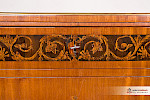
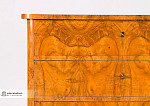
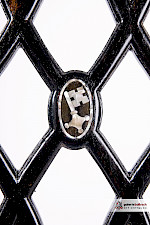
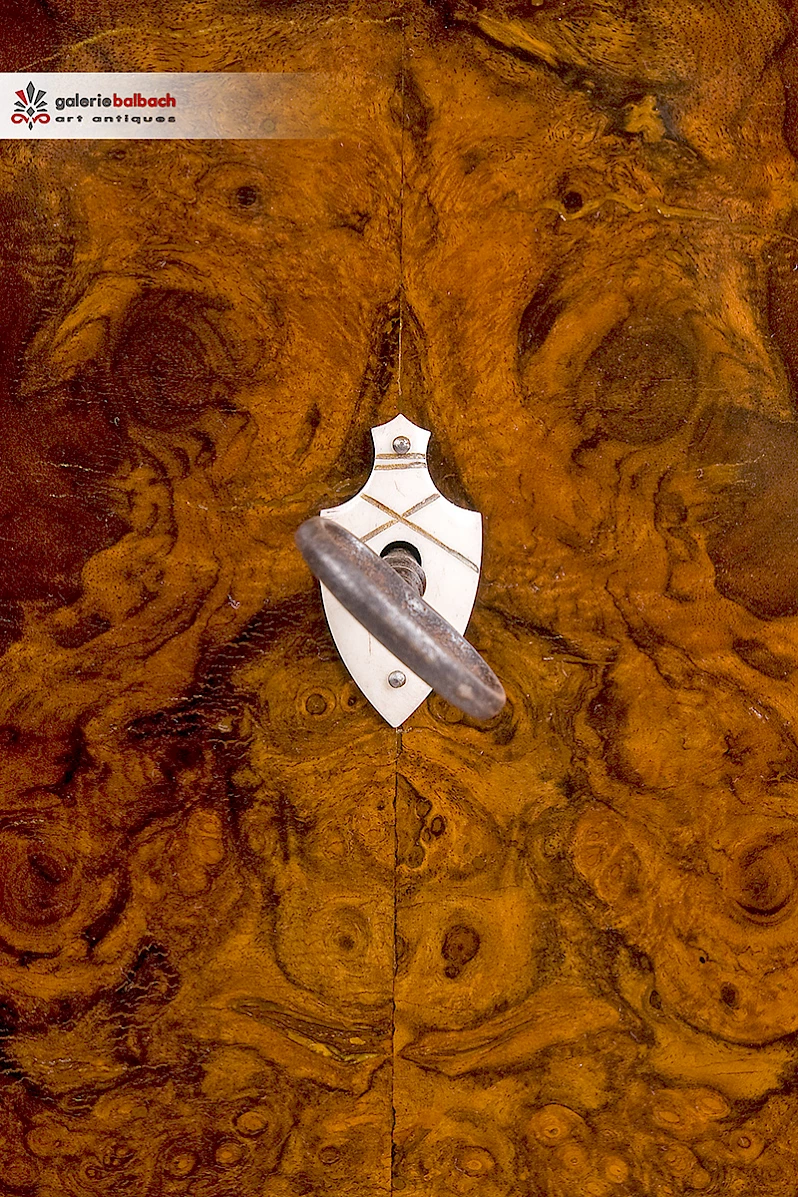
In Classicism, the fittings became more restrained, and in Biedermeier they were sometimes dispensed with altogether and replaced by restrained, inlaid lozenges or coats of arms around the keyhole.
Fittings on antique furniture were usually made of iron, brass or bronze, but non-metallic materials such as ivory, mother-of-pearl or contrasting woods were also used as fittings.