Pendule Portefaix
Paris
Bronze, enamel
Empire around 1810
Dimensions: H x W x D: 36 x 28 x 11 cm
Description:
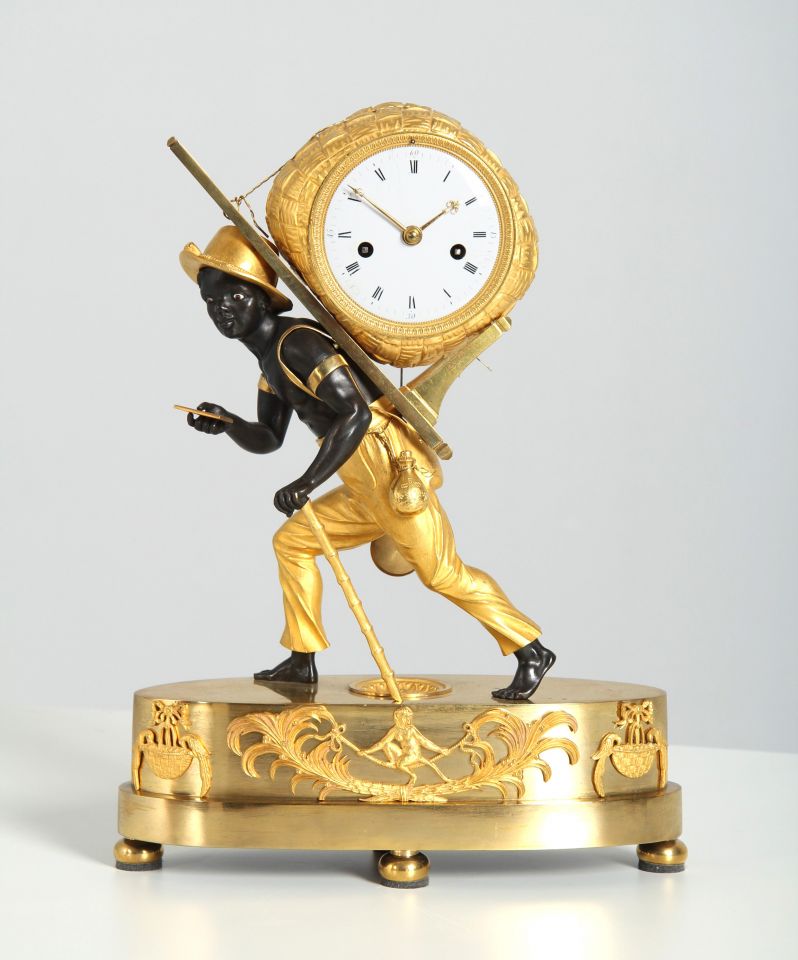
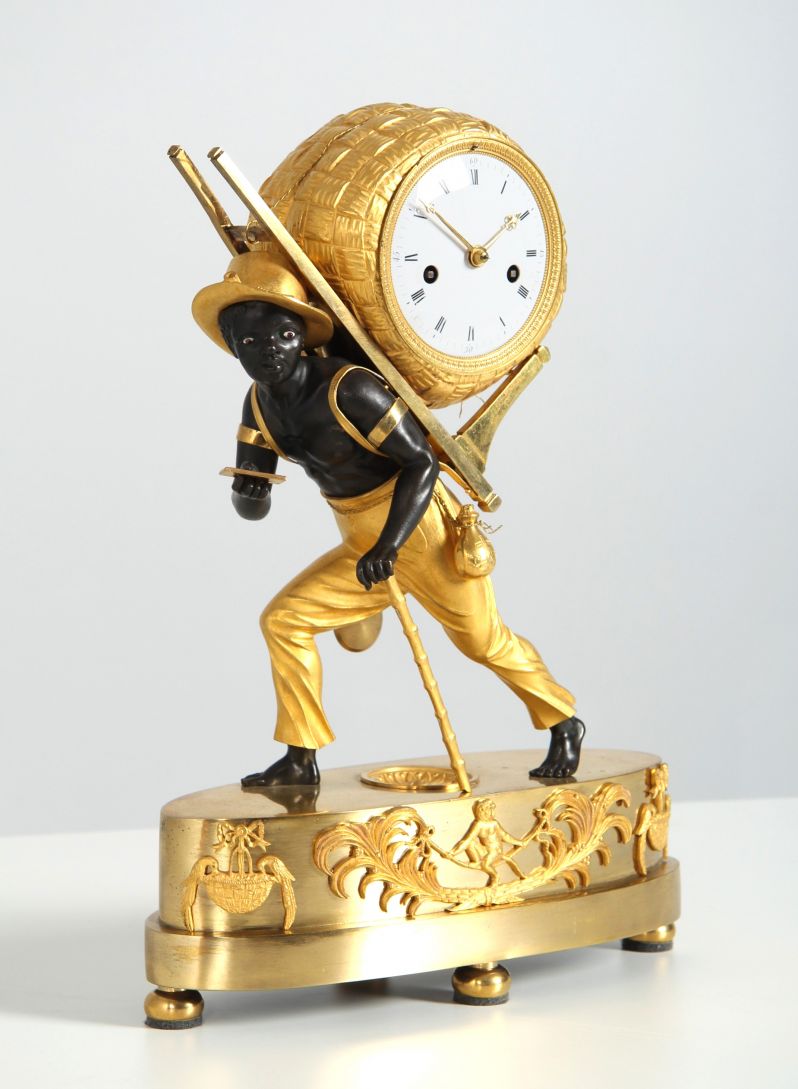
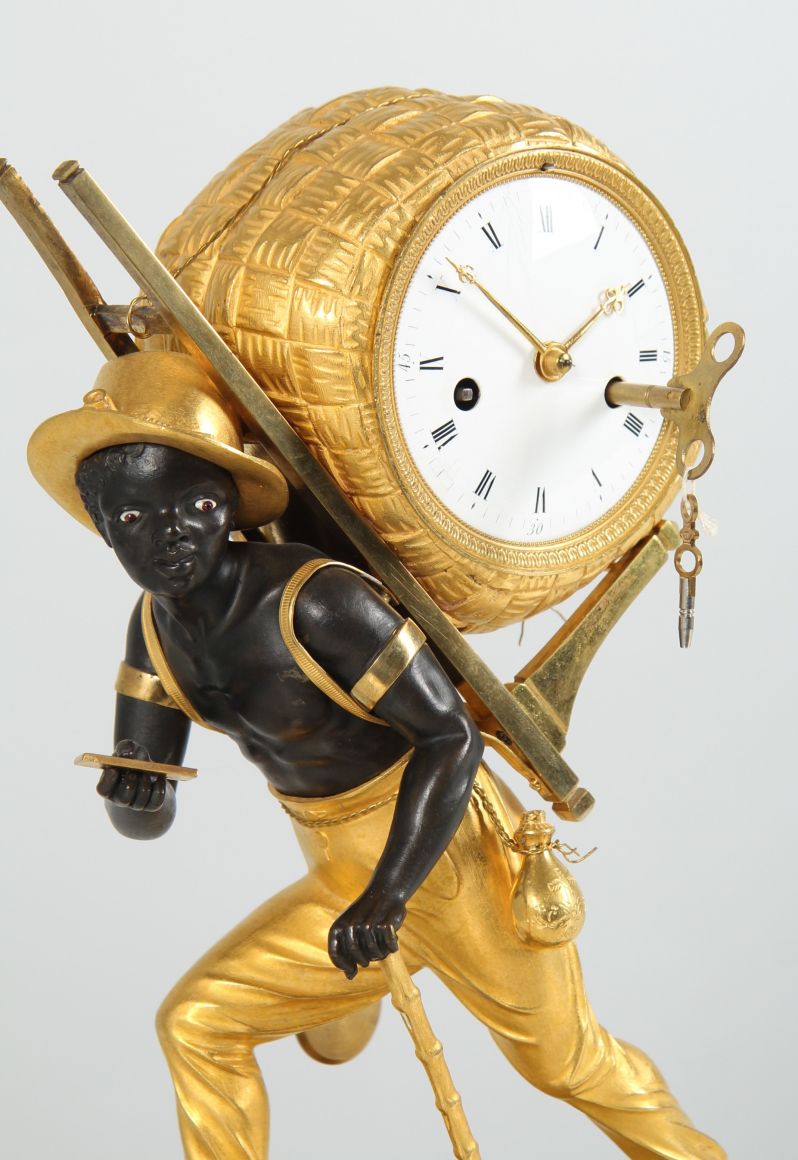
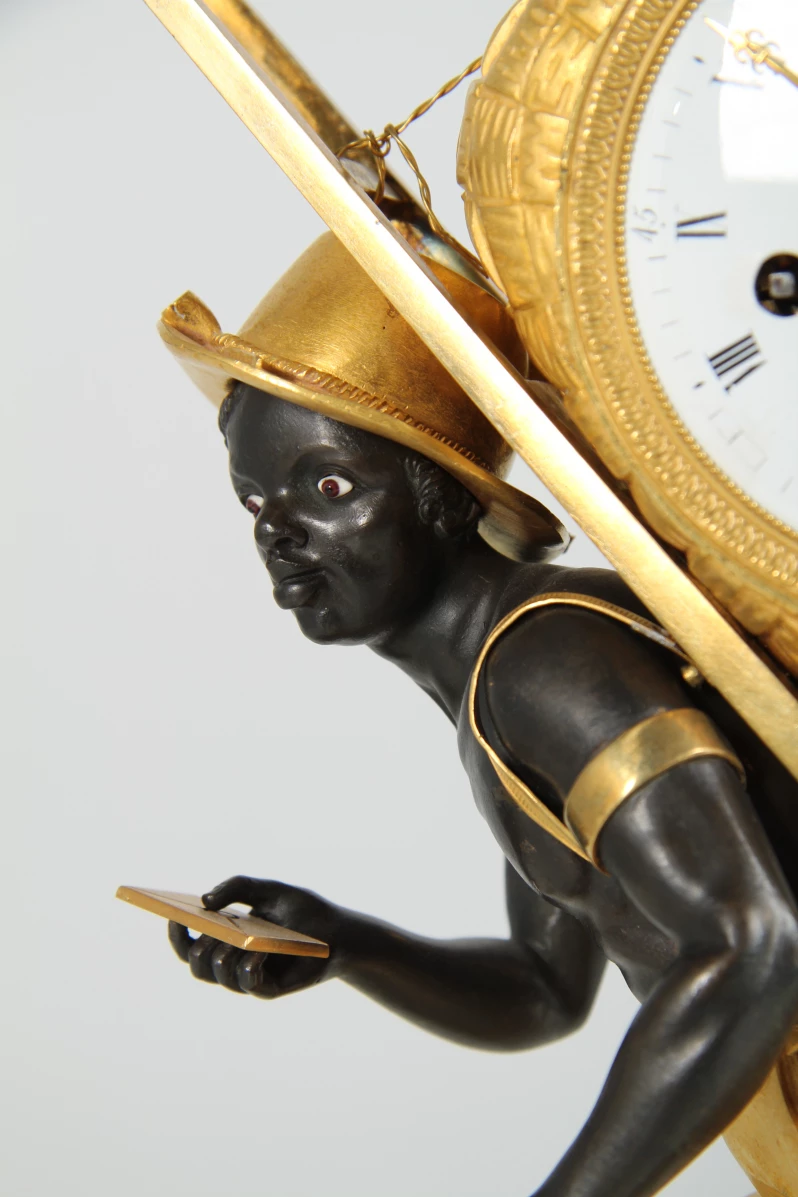
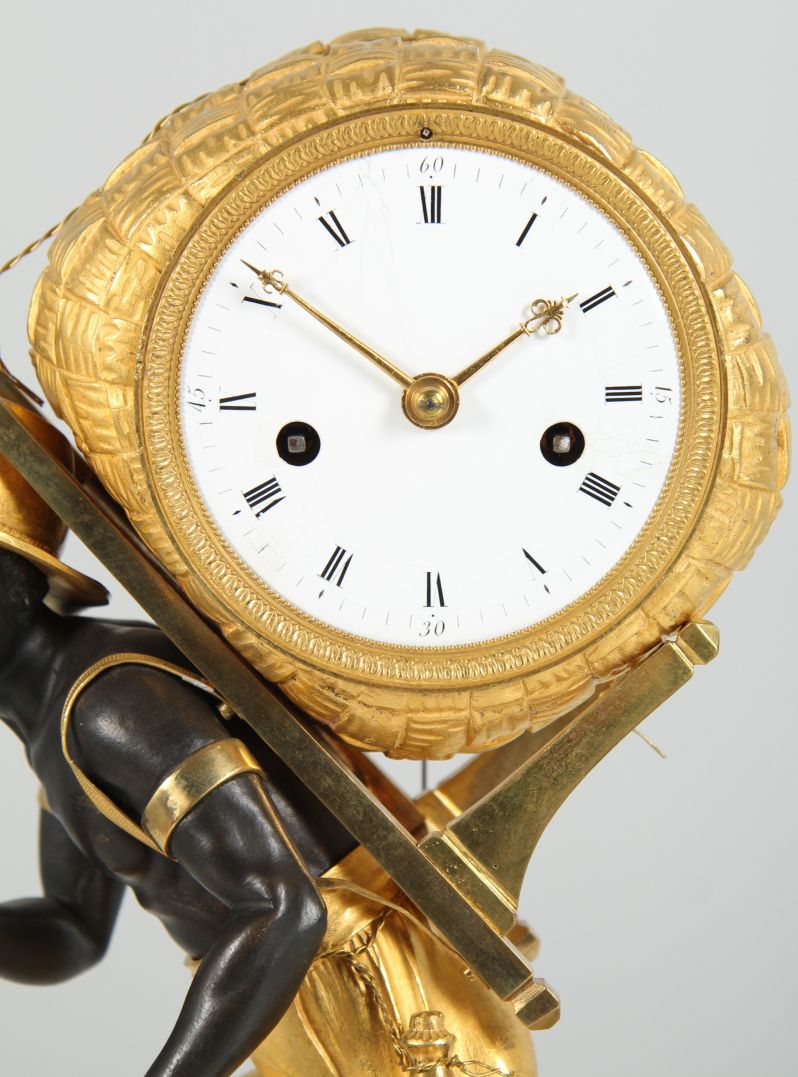
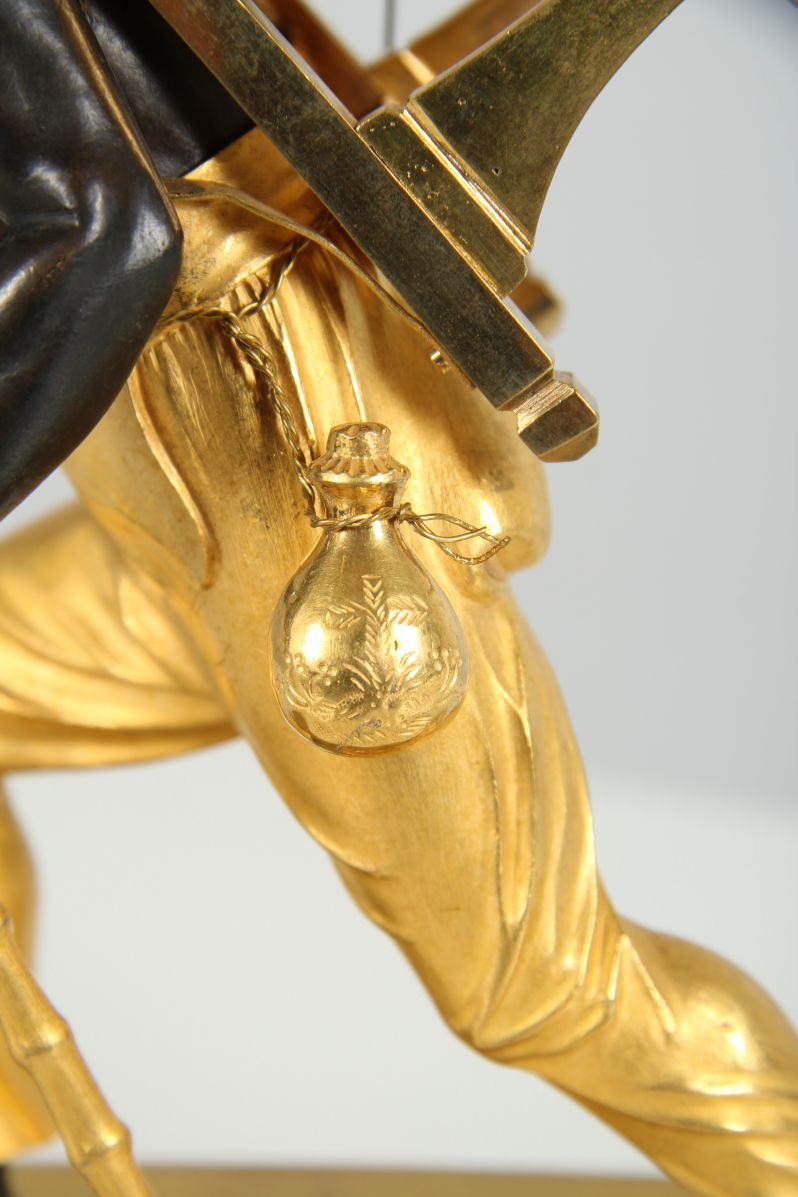
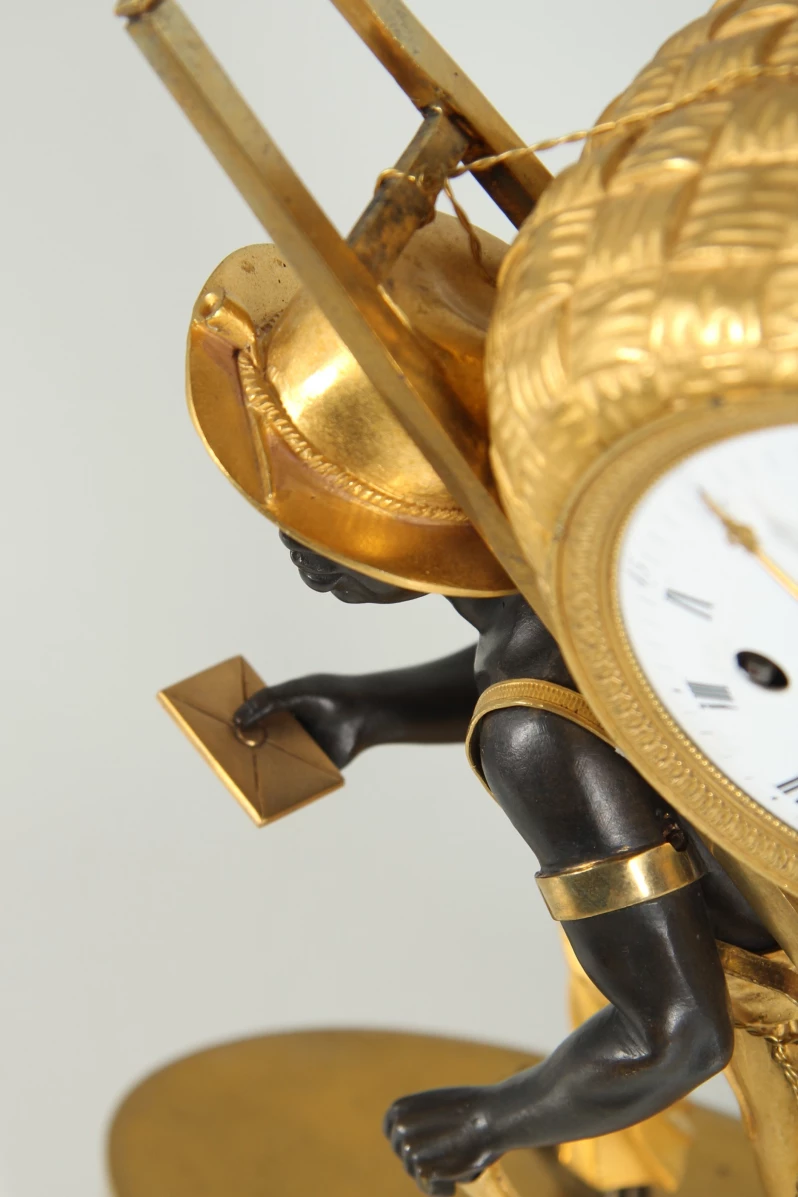
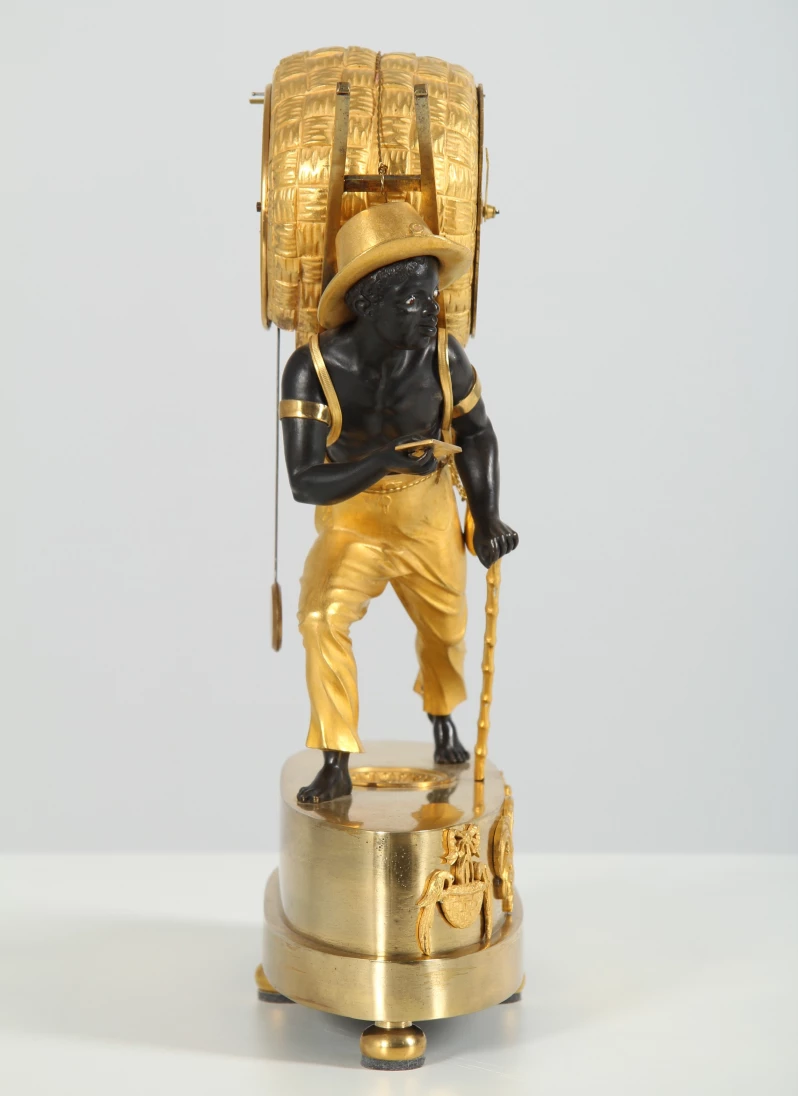
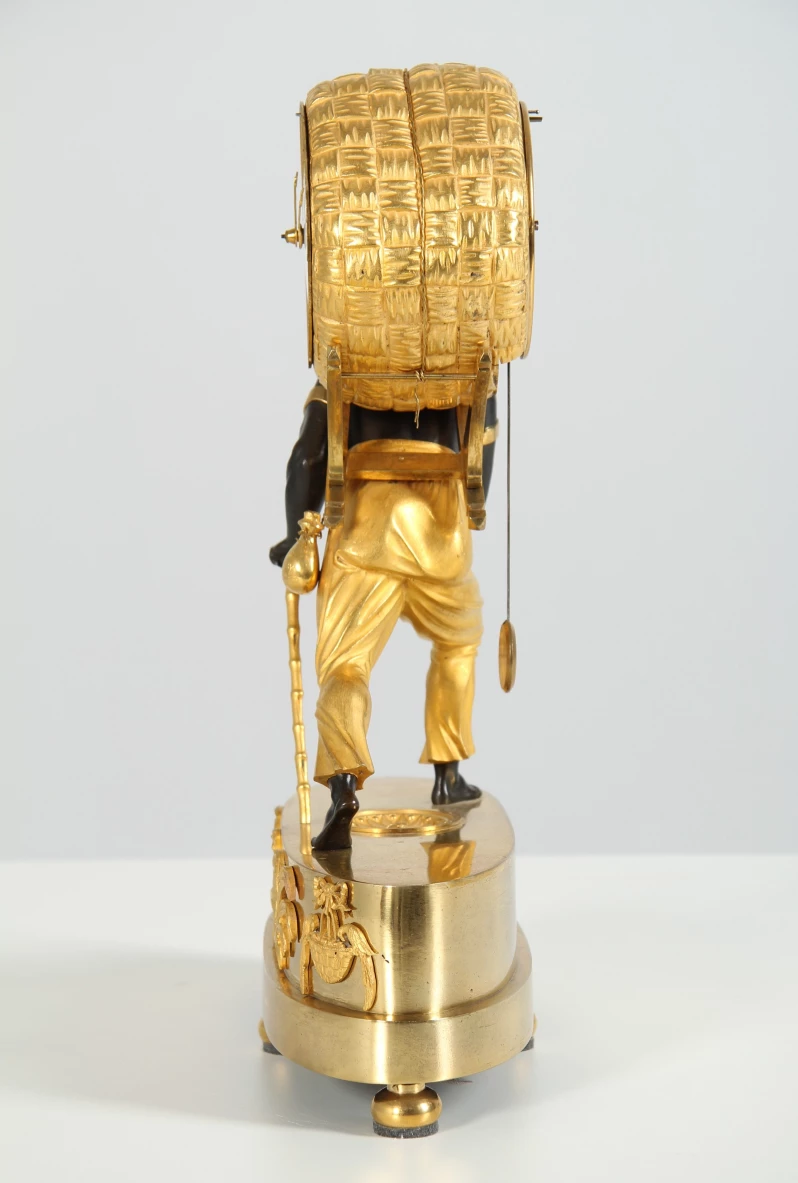
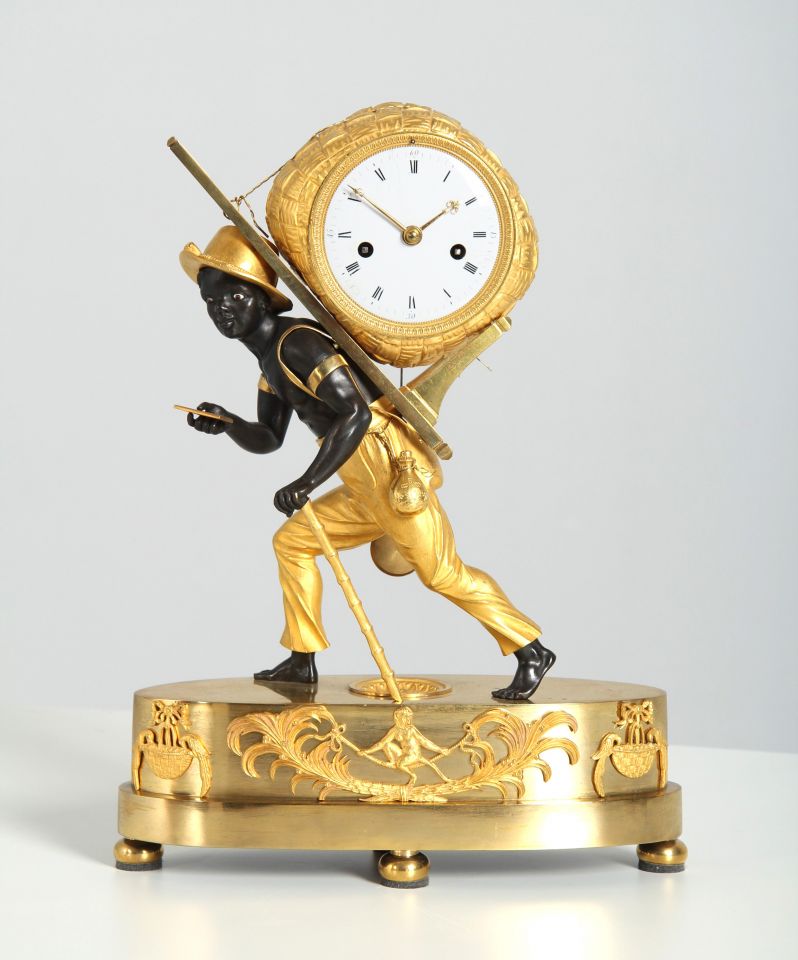
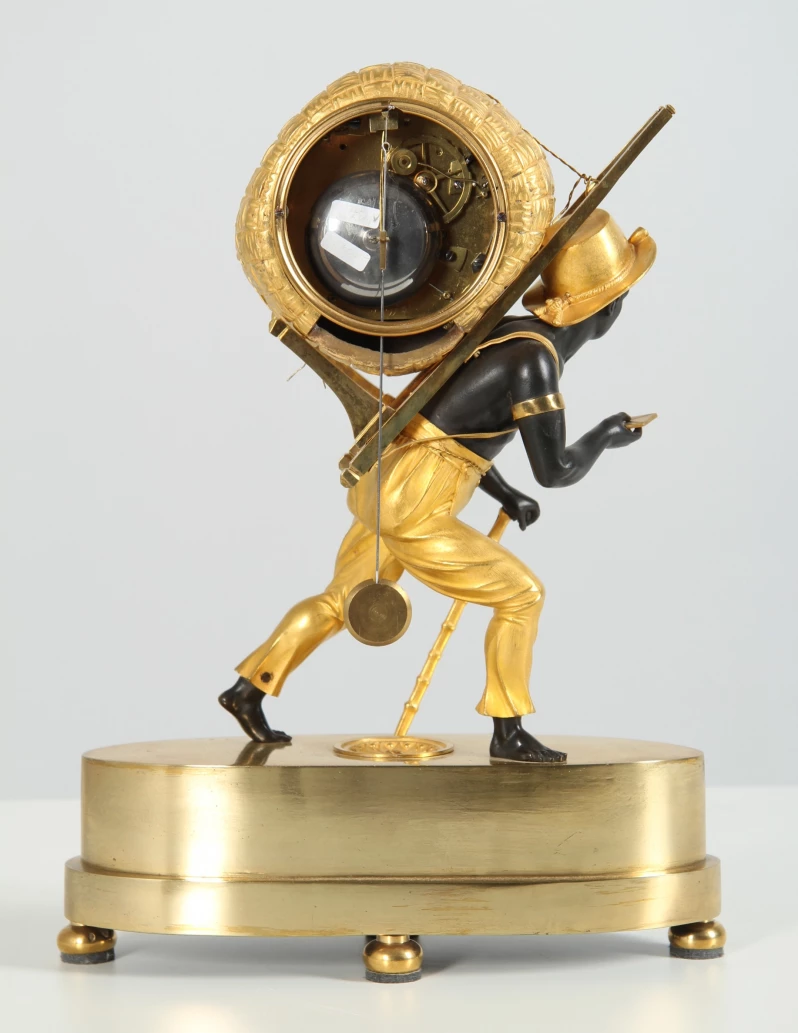
Beautiful, fire-gilded and patinated bronze pendule from the early 19th century. It depicts a young man carrying a large cotton parcel on his back. He is holding a letter in his right hand and leaning on a bamboo stick with his left. His tobacco pipe is clipped into his hatband and he is carrying his drinking bottle on his belt.
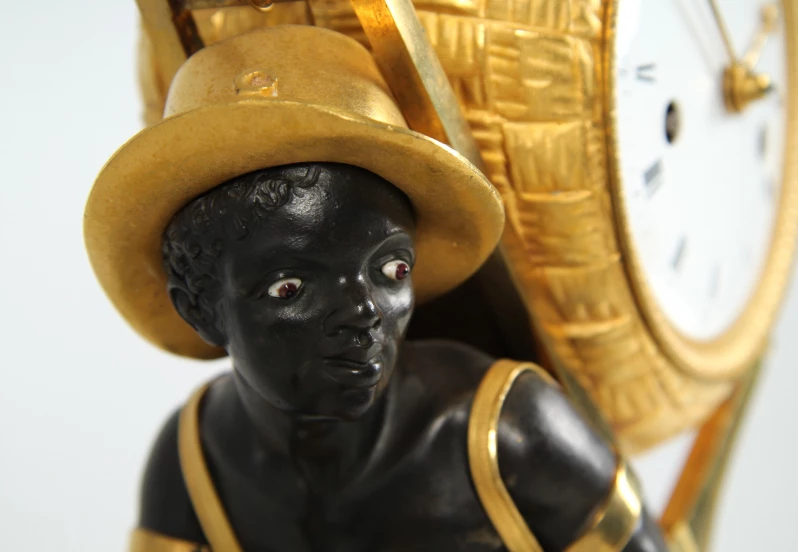
The fire-gilding contrasts interestingly with the deep black patinated bronze, and the white glass eyes are particularly striking.
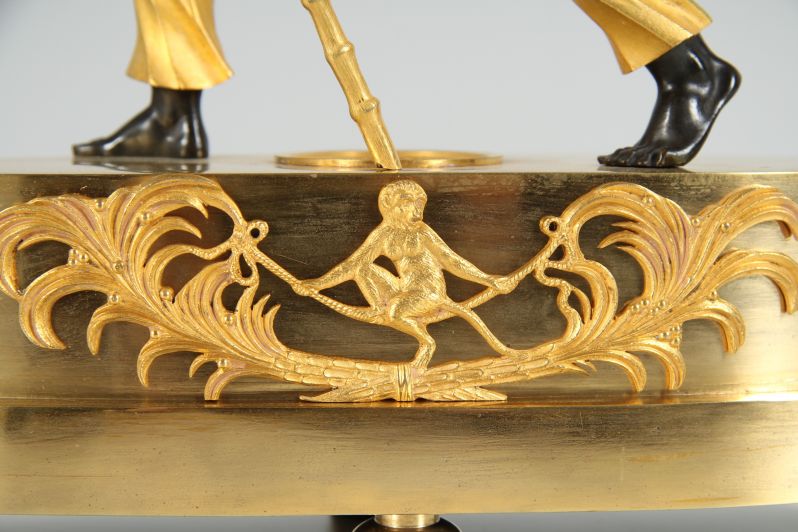
The caster has managed to make materials tangible by using different surface finishes. For example, the skin is subtly shaded differently to the cotton fabric of the trousers - the pannier, the armrings and the drinking bottle are polished to a high gloss.
The proportions of the figure are perfect, the drapery of the trousers emphasises the dynamic movement.
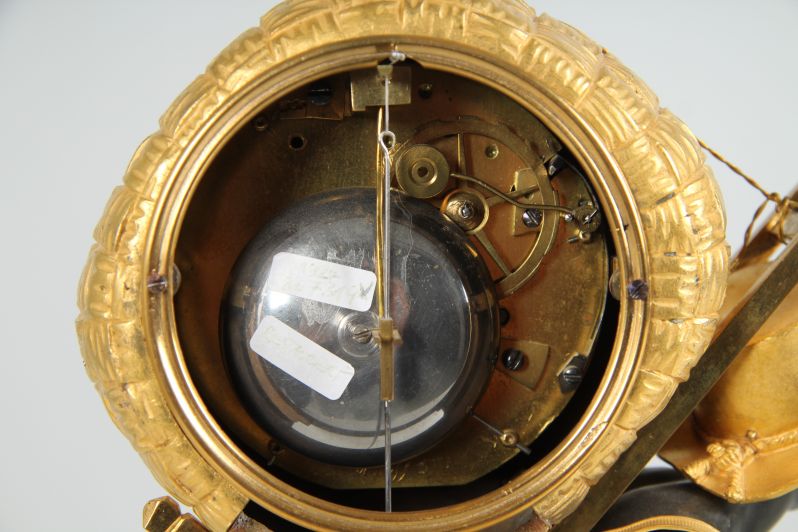
The heart of the clock is a French-style 8-day pendulum movement.
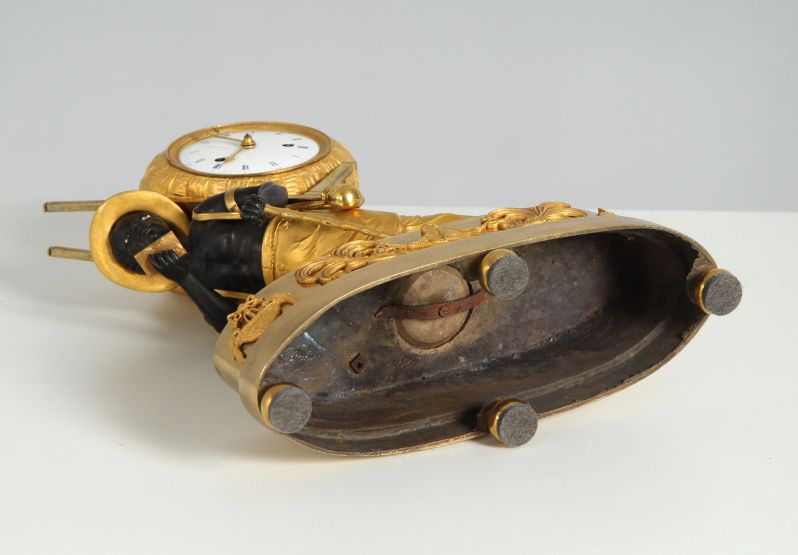
The finely serrated hands are entirely in keeping with the taste of the early 19th century and the pendulum is suspended from a thread, typical of the period. The clock strikes a bell on the half and full hour.
Interesting facts:
The depiction of Le Portefaix was created by the Parisian bronze caster Jean-André Reiche, who had his artistic design registered in Paris in 1808. In addition to the depiction of the boy with the bundle of cotton on the pannier offered here, there are numerous other pendulums that deal with the theme of colonisation. Other themes from the "new world" were also treated artistically - exotic animals and plants - butterflies, birds of paradise, tobacco and spices...
As a sign of admiration for the exotic, the "Au Bon Sauvage" pendulums are a typical feature of the Enlightenment at the end of the 18th century. They show the yearnings of a hitherto Europe-centred society, which was urged to look beyond its usual horizons by the discovery of seafaring and the revolution of 1789.
[Source: Elke Niehüser - The French bronze clock p. 140-143]
Examples of this clock can be found in the world's great museums, such as the Musée des Arts Décoratifs in Paris.
Condition:
Very nice condition of the fire gilding with slight age-related rubbing.
Movement cleaned from top to bottom and in perfect working order.
Price: 12500,-€
The Portefaix pendule is illustrated in various specialised books, among others:
Wannenes - Les plus belles pendules françaises - De Louis XIV à l’Empire p. 312
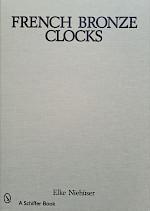
Elke Niehüser - French Bronze Clocks - 1700–1830 Fig. 240
 "/>
"/>Article found under: Clocks
Add to shopping cartAlso interesting
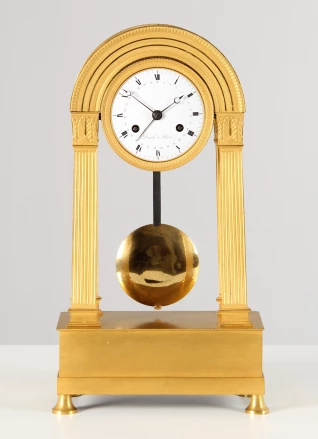
Antique Portal Clock with Cutting Edge Suspension
France (Paris)
Bronze, enamel
Empire circa 1820

Miniature "Au Bon Sauvage" table clock
Paris
fire-gilded and patinated bronze
early 19th century
Bohemian wardrobe
Prague
Walnut
Biedermeier around 1830