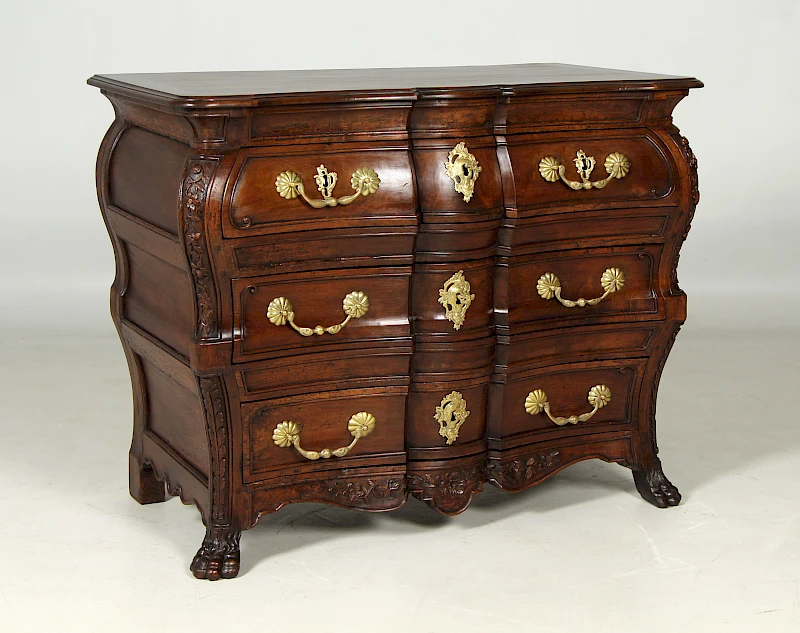
Video: Bordeaux Chest of Drawers
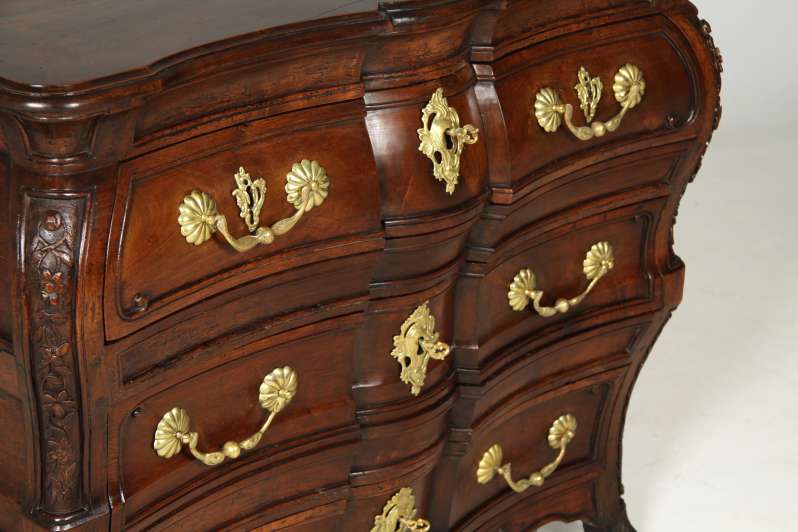
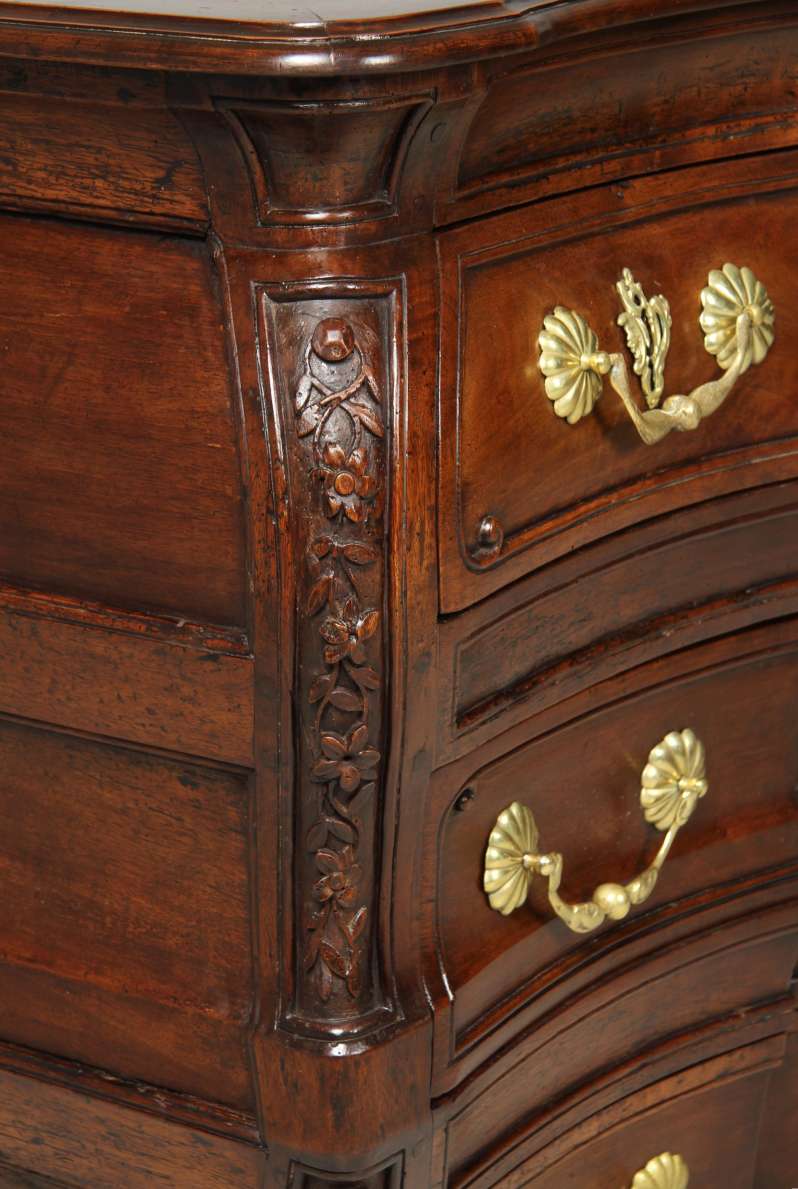
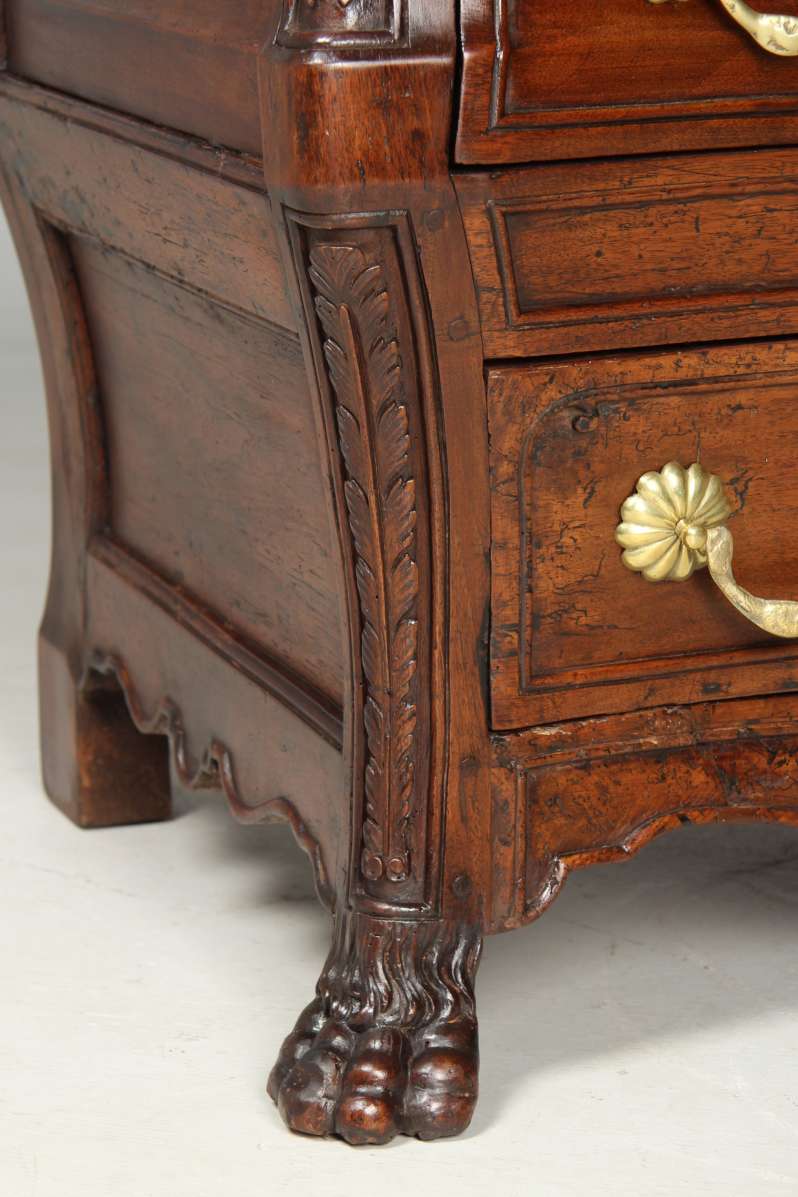
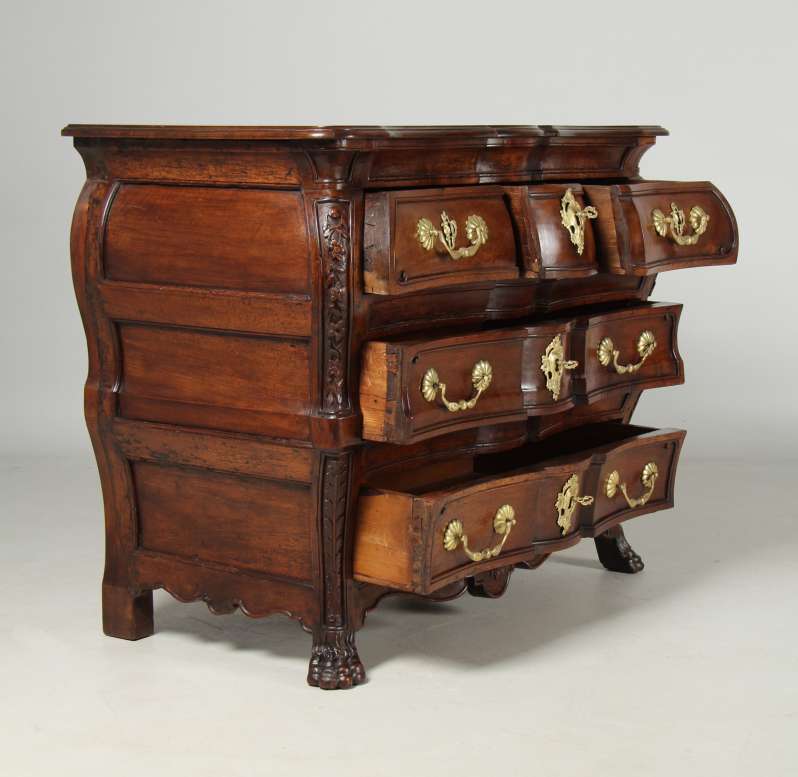
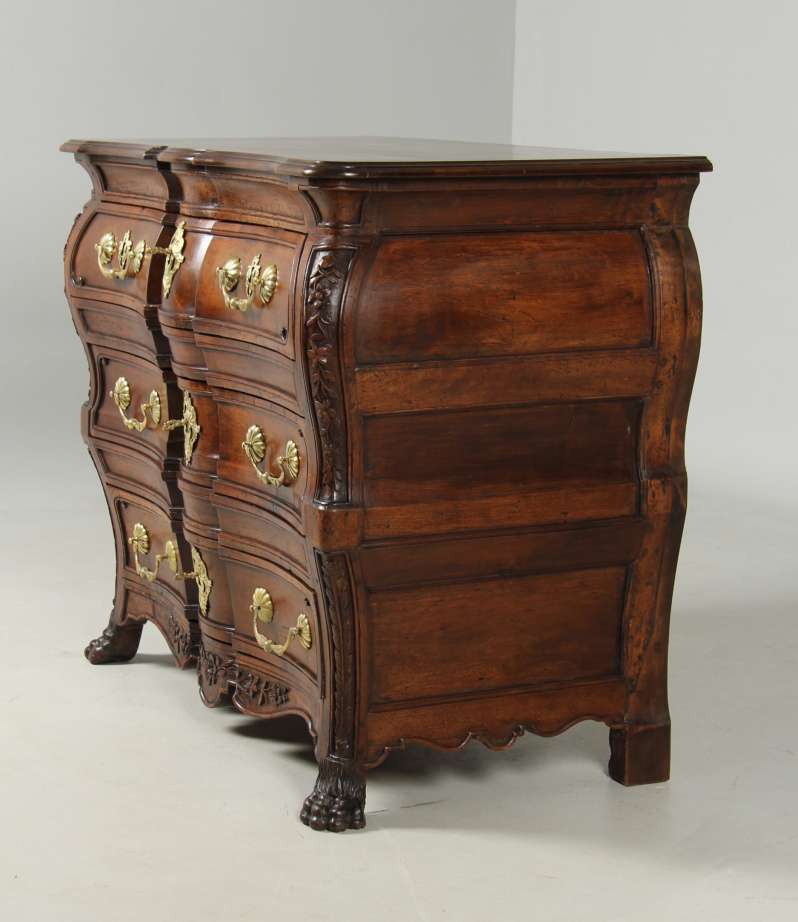
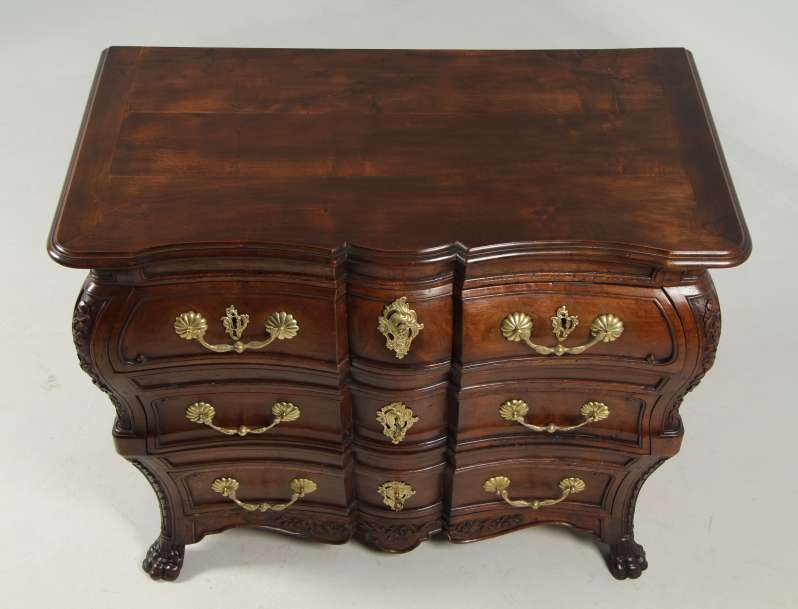
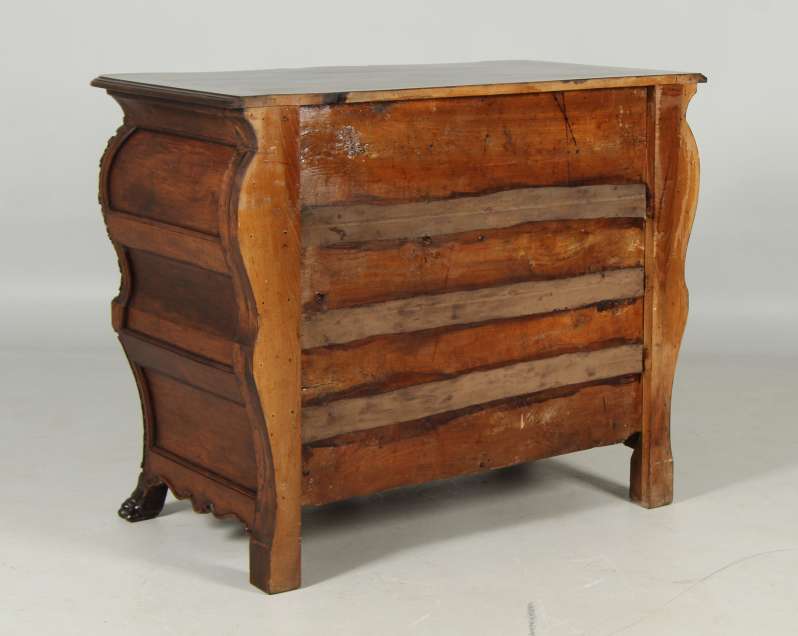
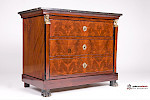
Provincial French chest of drawers with intricate carving
South-West France
Walnut
Mid-18th century
Dimensions: H x W x D: 95 x 117 x 62 cm
Description:
A beautifully carved chest of drawers made from solid walnut, retaining its original patina. The shape and design of this piece are typical of the border region between France and Spain, south of Bordeaux.
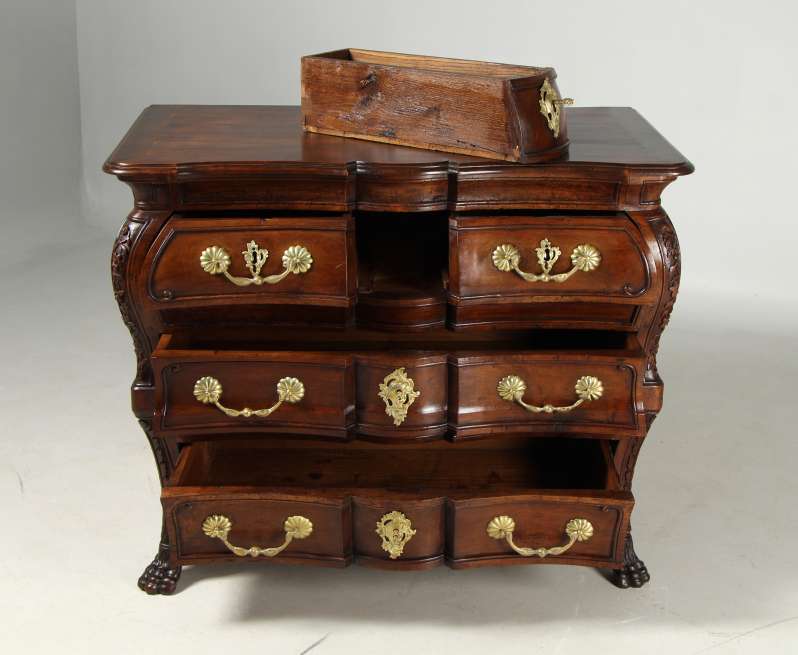
The chest of drawers features impressive rounded curves on all sides. The powerful curves on the front extend in both horizontal and vertical directions, giving the chest of drawers its particularly sculptural and dynamic appearance.
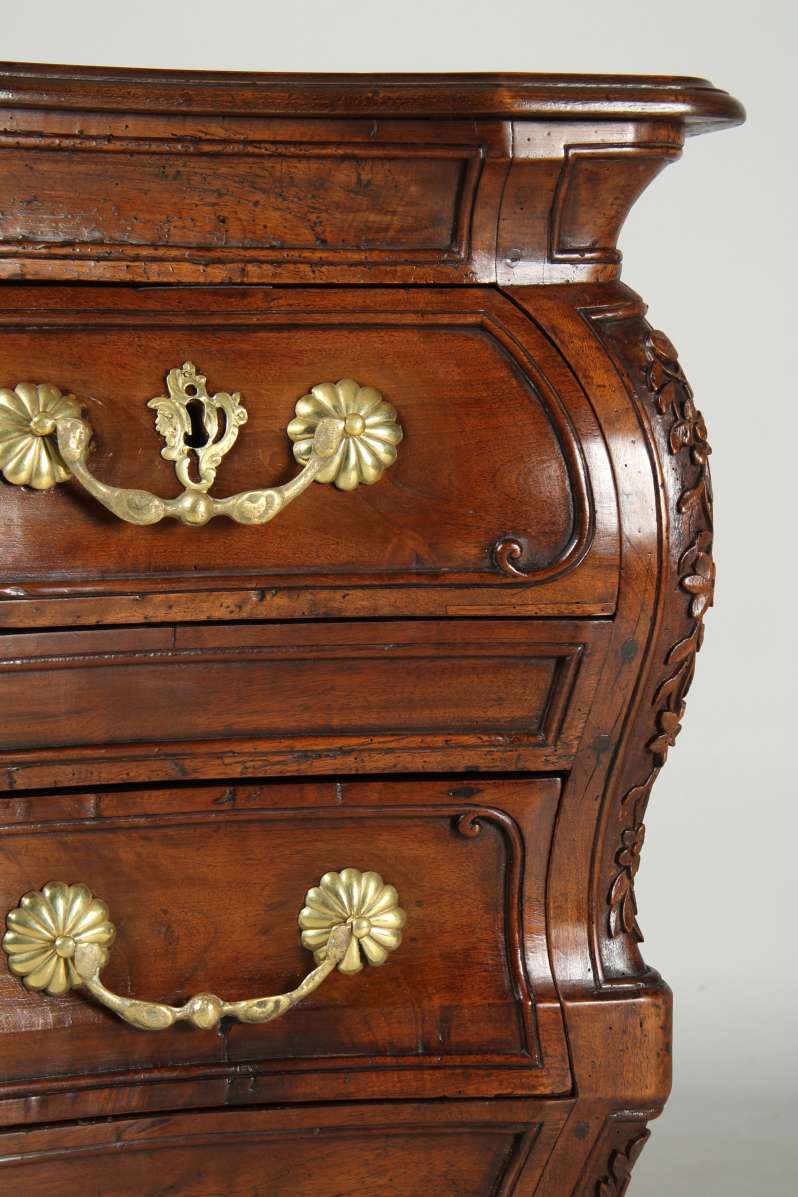
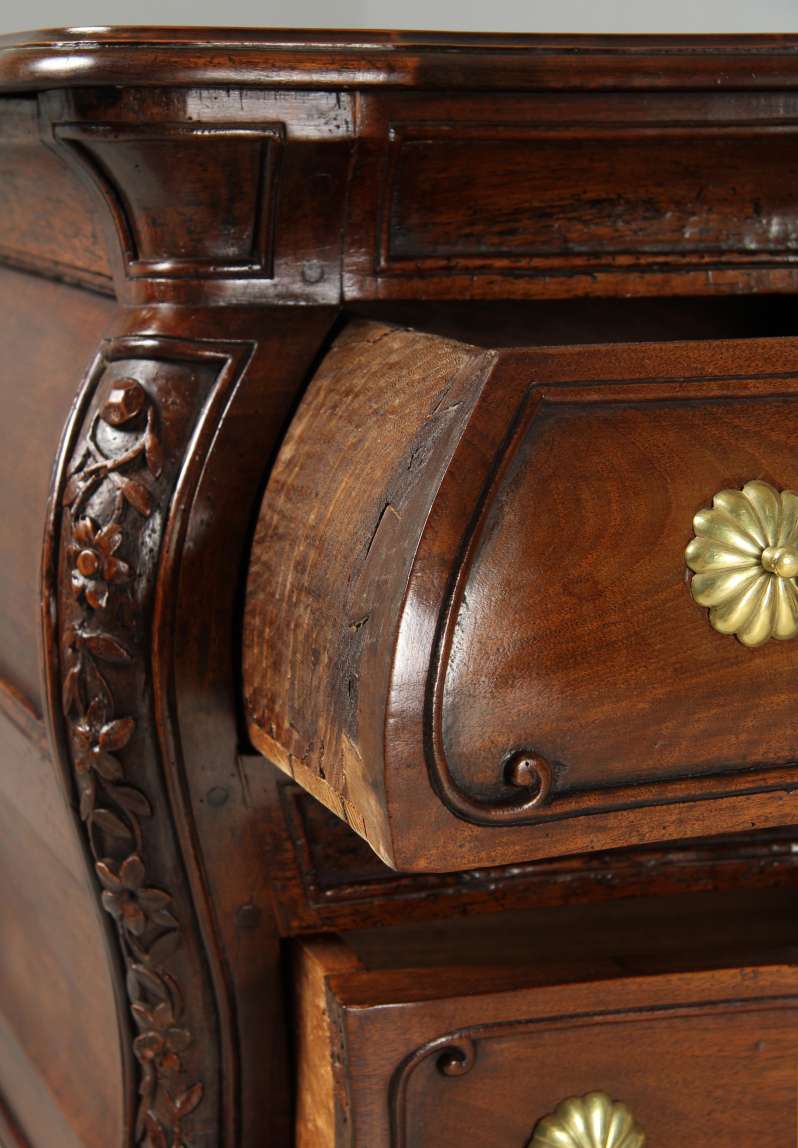
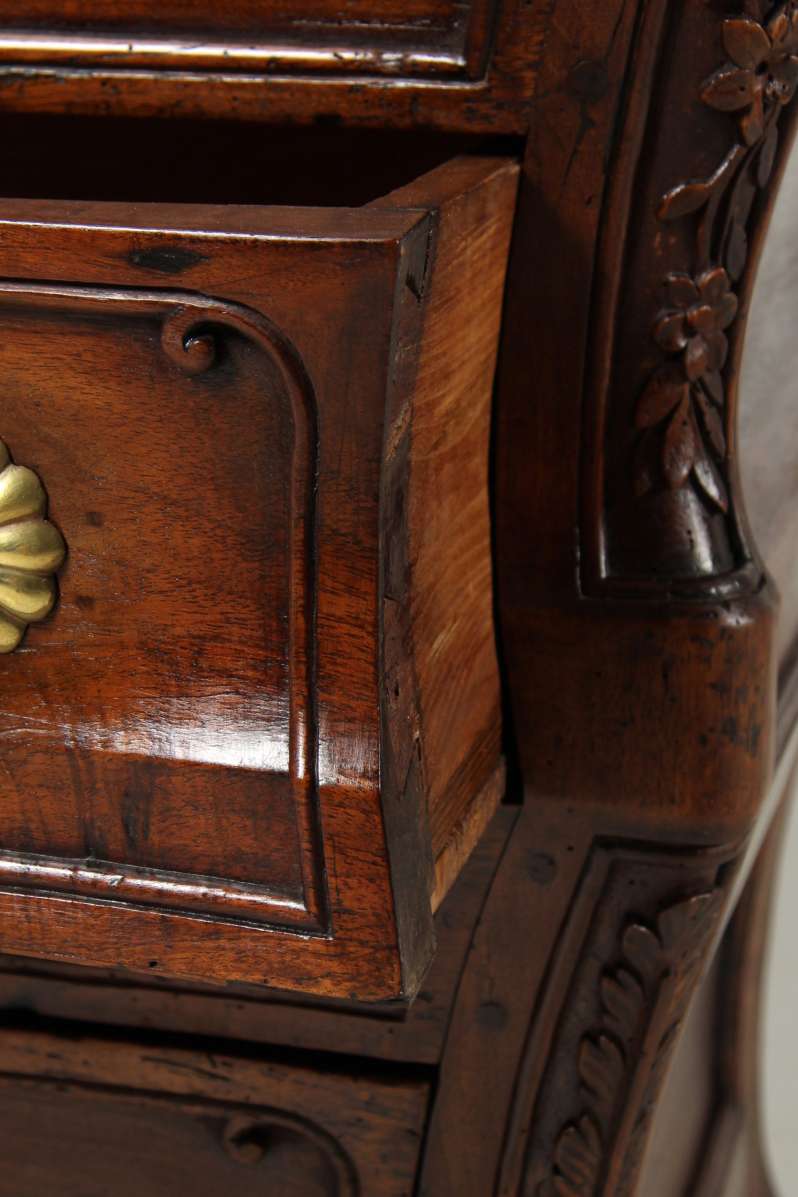
The elaborately executed curvature is complemented by carefully crafted carvings characteristic of this type of furniture. The legs, designed in the shape of lion’s paws, continue upwards in the form of twigs, foliage and floral motifs. Curving and angling repeatedly, the richly carved pilaster strip follows the contours of the sides and ultimately supports the slightly projecting top panel, ending in an elegant curve.
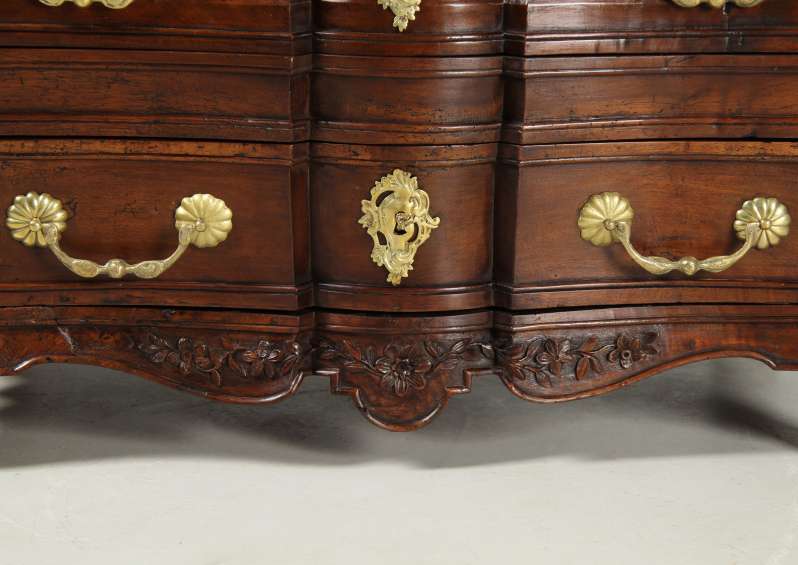
The base section also follows the piece’s dynamic lines. Accompanying mouldings emphasise its shape, whilst the neatly executed floral carvings blend harmoniously into the overall design.
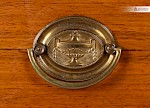
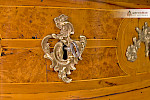
The dark tone of the walnut provides the perfect backdrop for the dominant, gilded fittings in the form of rosettes and rocaille motifs.
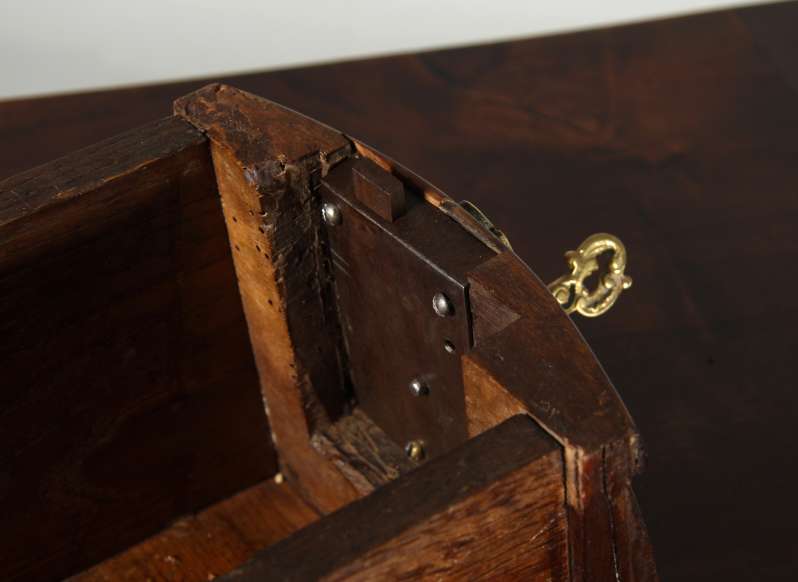
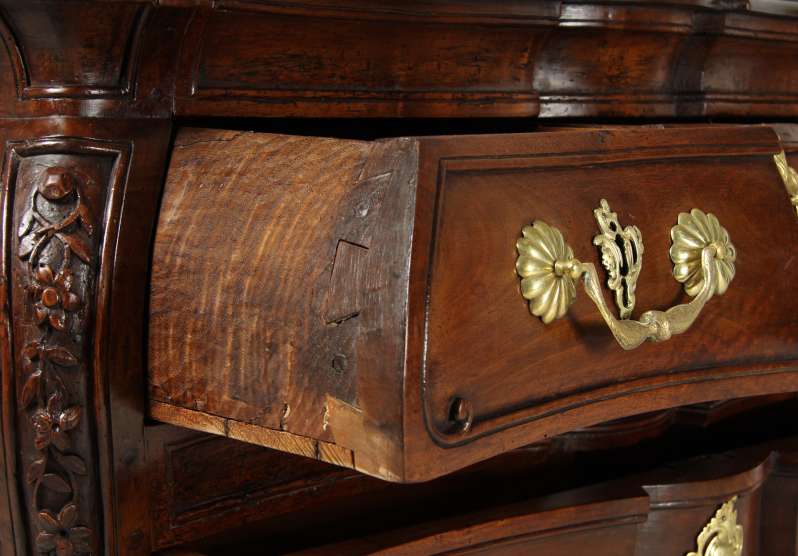
The construction of the drawers is particularly interesting. Their sides are precisely adapted to the pronounced curvature of the drawer fronts. Even the dovetail joints follow this intricate design and have been further secured with nails.
The creation of such a strongly curved body required a high degree of spatial imagination and craftsmanship. The intricate shapes first had to be planned and then carved out of thick wooden planks – by sawing, planing and sanding.
Walnut of exceptionally generous dimensions was used for this. In places, the drawer fronts are up to 6 cm thick. The chest of drawers is correspondingly heavy and robust, and designed to last for many centuries...
Having been well used over many generations, exposed to the rigours of everyday life and no doubt freshly waxed from time to time, a fantastic patina of age has developed. The wood has a deep yet warm hue with dark highlights in the carved and hard-to-reach areas.
During the restoration, all signs of age and wear were deliberately preserved. The wood was not sanded down, but gently cleaned, treated with shellac and sealed with wax.
Interesting facts:
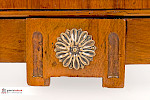
Typical features of provincial furniture of this kind include, on the one hand, the use of solid wood such as walnut, oak or fruitwood, and, on the other, the frame-and-panelling construction. The individual frame timbers were joined together using mortise and tenon joints and secured with wooden nails. You can therefore see these hand-carved nails – each slightly different in shape – at all the joints on the body of the piece. The nail heads are clearly visible in the detailed photographs showing the carving on the pilasters.
Condition:
Restored whilst preserving the patina. The drawer runners have been straightened so that the drawers run smoothly and effortlessly despite their weight. The back panel was added during an earlier restoration.
Price: €5,800
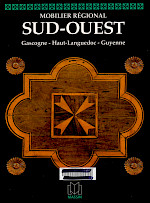
Edith Mannoni - Mobilier régional - Sud-Ouest
Article found under: Chests of drawers
Add to shopping cartVideo: Bordeaux Chest of Drawers
Also interesting
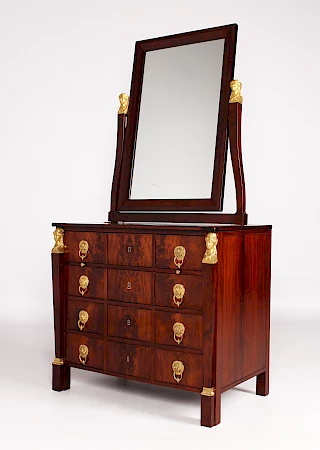
Antique dressing table - stamped Chapuis
Brussels
Mahogany
Empire around 1810
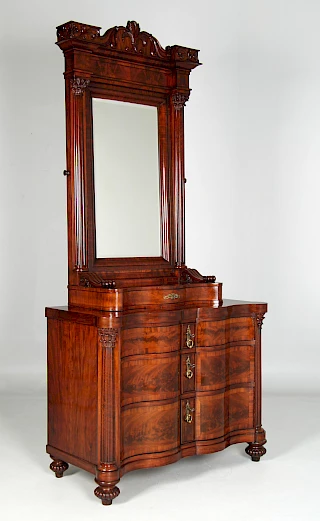
Chest of drawers with mirror
Northern Germany
Mahogany
Mid 19th century
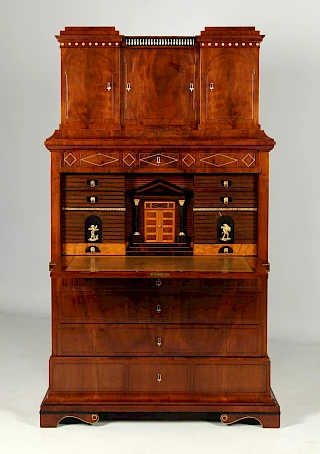
Danish Biedermeier Secretaire
Denmark
Mahogany, etc.
c. 1830